

Moving in New York City can be an adventure, but did you know that nearly 60% of apartments are walk-ups? This unique building type significantly shapes your move plan. Whether you're a first-time mover or a seasoned resident looking to change your space, understanding the differences between walk-ups and elevator buildings is crucial for a smooth transition. Walk-ups require more physical effort and meticulous planning, while elevator buildings offer convenience but come with their own set of rules and potential costs. In this article, we'll explore the challenges and benefits of each building type, helping you navigate the complexities of your upcoming move. From stair-climbing strategies to coordinating elevator reservations, we’ll cover everything you need to consider. So, if you're ready to tackle the NYC moving maze, keep reading for essential tips tailored to your specific building type.
Walk-Ups vs Elevators in NYC: What They Really Look Like

How do walk-ups and elevator buildings in NYC differ in NYC?
Walk-ups and elevator buildings in NYC have distinct features that influence daily life. In a walk-up, residents climb stairs, which not only provides a daily workout but also showcases appealing elements like exposed brick and high ceilings.
Walk-ups offer a daily workout and charming touches like exposed brick and high ceilings.
In contrast, elevator buildings offer easier access with one or more elevators, particularly in mid-rise and high-rise structures, making them more convenient for moving heavy items.
- Walk-ups typically have lower rent but fewer amenities.
- Elevator buildings allow for effortless transport of goods and furniture.
- Consider hiring a moving company to ease the transition between these building types.
Understanding these differences can help you make an informed decision when choosing your next home. For further insights into NYC living, see our guide on apartment hunting tips.
How Building Type Changes Your Move Timeline
How Does Moving into Different Building Types Affect Your Timeline?
The type of building you’re relocating to significantly impacts your moving schedule.
For instance, moving into an elevator building typically results in a quicker process, allowing for efficient transport of larger items without the hindrance of stairs.
Conversely, transitioning to a walk-up can prolong your move by 30-50% due to the added challenge of carrying heavy belongings up multiple flights.
- Consider reserving freight elevators in advance to streamline logistics.
- Plan your move during off-peak hours to avoid congestion.
- Be aware that walk-ups may incur additional transportation costs.
To optimize your moving experience further, check out our guide on essential moving tips for a smoother transition.
Hidden Costs of Walk-Ups vs Elevators
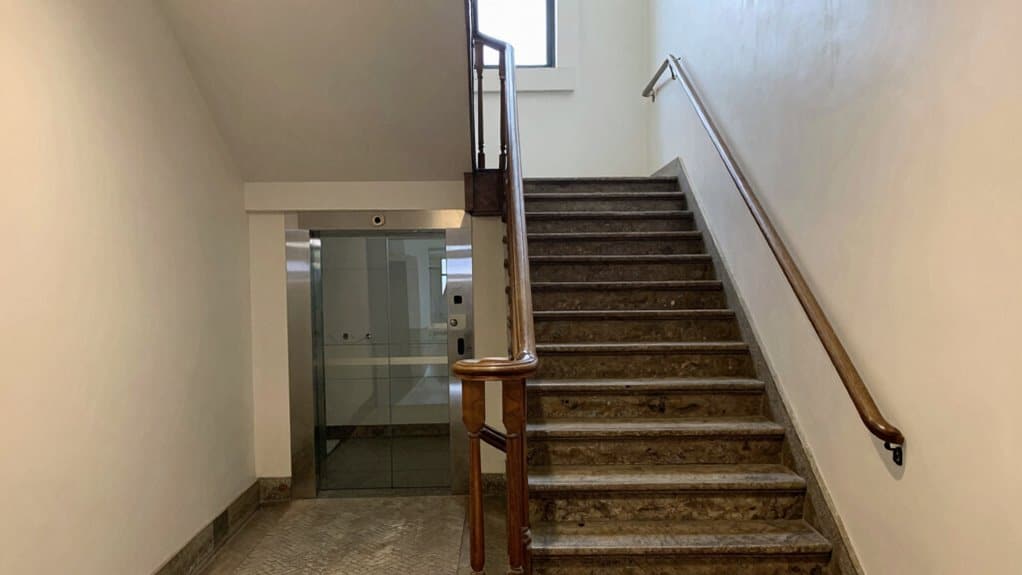
While walk-up apartments may seem budget-friendly at first glance, hidden costs can quickly accumulate. For instance, moving into a walk-up often involves higher moving expenses due to the added difficulty of navigating stairs and potential coordination challenges with movers.
Additionally, while rent may decrease by $100-200 for higher floors, you may face increased effort in everyday tasks like grocery shopping and furniture delivery.
- Consider the time and effort needed for laundry trips to laundromats.
- Factor in accessibility issues for families with strollers or mobility concerns.
- Evaluate long-term costs versus immediate rental savings.
In the end, exploring elevator buildings could prove to be a more economical choice over time. For more insights, check out our guide on evaluating apartment options.
Hidden Costs of Walk-Ups and Elevators can also impact your insurance premiums and liability considerations as you move through different building types.
Plan Your Move: Equipment, Access, and Building Rules
To ensure a smooth moving process, it's essential to understand equipment, access, and building regulations.
Begin by confirming the availability of freight elevators and reserving them ahead of time. This step helps avoid scheduling conflicts and ensures you can transport your belongings without delays.
Next, coordinate your moving times with building management to comply with any specific rules they may have. Additionally, make sure your moving company provides a certificate of insurance, as this may be a requirement.
- Reserve freight elevators in advance.
- Align moving times with management rules.
- Obtain a certificate of insurance from your moving company.
By following these steps, you can minimize unexpected challenges.
For further insights into managing your moving logistics, consider exploring our guide on optimizing your moving strategy.
Packing for Stairs: How to Move Heavy Items Safely

When moving heavy items, careful planning and strategic stacking can significantly enhance safety and efficiency. Additionally, load heavier items first, placing them against the front walls to maintain balance during transport. Distribute weight evenly to keep the staircase and hallway stable, reducing the risk of tipping or jamming. Understanding proper lifting methods is crucial for a successful move.
Plan Ahead With Assessments
How can I prepare for moving into a walk-up apartment?
Preparing for a move into a walk-up apartment requires careful planning to avoid any last-minute surprises. Start by measuring your large furniture items and comparing these dimensions to the stairways and doorways. This helps ensure that everything can fit without any modifications.
Additionally, consulting with professional movers who've experience in navigating Manhattan’s unique challenges can provide valuable insights, especially regarding protective measures for your belongings.
- Schedule your move during off-peak hours to minimize congestion and stress.
- Consider using modular or lightweight furniture to ease transport and maneuverability.
- Disassemble larger pieces if necessary to simplify the moving process.
With these strategies in mind, you can streamline your move. For further tips on efficient moving, check out our guide on packing and organization.
Stack Heavy Items Strategically
How can you stack heavy items more effectively?
To stack heavy items effectively, start by breaking down the process into manageable steps. Disassemble large items, like furniture, to easily maneuver through tight spaces such as door frames and narrow stairways.
Employ tools like a dolly or hand truck to transport appliances and large boxes, which minimizes physical strain and enhances efficiency.
- Pack heavy items in smaller, sturdy boxes.
- Prioritize moving heavier pieces first on your initial trip.
- Coordinate with a team to navigate obstacles smoothly.
By planning your route and communicating clearly, you can reduce clutter and prevent accidents.
For more tips on efficient moving strategies, check out our guide on organizing your move.
Protect Walls And Corners
How can you protect walls and corners when moving heavy items?
Protecting walls and corners during a move is crucial for maintaining the integrity of both the items and the building.
Using proper padding and blankets can effectively shield surfaces from scratches and dents as you transport large furniture. Disassembling bulky pieces simplifies the process, making it easier to navigate tight staircases and reducing the risk of damage.
- Thoroughly pad corners and walls.
- Measure doorways and stairwells to ensure items fit.
- Consider hiring local movers experienced with stair navigation.
By taking these steps, you can minimize potential damage and streamline your moving experience.
For further tips on efficient moving strategies, check out our guide on effective packing techniques.
Daily Life After Move: Convenience, Privacy, and Community
How Does Living in a Walk-Up Affect Daily Life?
Living in a walk-up can enhance your daily life by providing a quieter, more private environment with fewer neighbors and less foot traffic.
The absence of elevators encourages regular physical activity, which can contribute to improved fitness. However, this arrangement may pose challenges for families or individuals with mobility issues.
- Quieter surroundings lead to smaller social circles.
- Planning grocery trips becomes essential due to limited storage.
- Lower rents can allow for budget flexibility in other areas.
Ultimately, the choice between walk-up and elevator buildings involves balancing privacy, convenience, and community dynamics.
For further insights on apartment living, check out our guide on optimizing small spaces.
Quick Decision Framework: Which Building Fits Your Move Plan?
Choosing the right building involves balancing factors such as logistics, budget, and personal needs.
But how do these considerations affect your overall moving experience?
Exploring the impact of move day factors can help you determine the best fit for your situation while considering both comfort and cost.
Quick Building Fit
How do staircases affect moving and daily life choices?
When choosing between a walk-up and an elevator building, stair navigation significantly impacts both moving expenses and daily routines.
Walk-up buildings can increase moving costs by 30-50% due to stair climbing, while elevator buildings may impose freight restrictions.
- Assess your fitness levels and mobility limitations.
- Consider the daily effort of carrying items versus using an elevator.
- Evaluate rent differences, as walk-up units are typically 15-30% cheaper.
Understanding these factors can help you make informed decisions about affordable living in Brooklyn.
For more insights on budgeting for your move, see our guide on maximizing your moving budget.
Move Day Factors
How does the type of building impact moving day logistics?
The type of building significantly influences moving day strategies. When considering walk-up buildings, the absence of elevators means increased physical exertion and extended timelines—expect moves to take 30-50% longer. Engaging local movers with experience in tight staircases can mitigate some challenges.
In contrast, elevator buildings require advance reservations for freight elevators, adhering to management regulations to avoid delays, and may restrict usage times.
- Hire local movers familiar with narrow staircases.
- Disassemble large furniture for easier transport.
- Schedule moves during off-peak hours for smoother transitions.
Understanding these factors can streamline your move. For more tips on efficient moving, see our guide on optimizing your moving day schedule.
Cost And Comfort
How do walk-up apartments compare to elevator units in NYC?
Walk-up apartments typically offer a more budget-friendly option, costing 15-30% less than their elevator counterparts. This price difference can significantly ease your financial burden while navigating the demands of daily life.
However, moving into a walk-up can take 30-50% longer due to the absence of elevators, so it’s crucial to plan your moving day accordingly.
When considering lifestyle factors, elevator buildings simplify tasks like grocery shopping, reducing physical strain and enhancing overall routines.
In contrast, walk-ups may require more physical effort but can provide a quieter living environment and increased privacy.
For further insights into finding the right apartment for your needs, check out our guide on making the best NYC housing choices.
Wrapping It Up
In summary, whether you're navigating a walk-up or an elevator building, strategic planning is essential for a successful move in NYC. By implementing the strategies outlined in this article, you can minimize stress and avoid unexpected hurdles, making your relocation more efficient and enjoyable. Understanding building access and timing can significantly enhance your moving experience. For more insights on effective moving techniques, consider exploring additional tips or guides tailored to your needs. Taking these steps will help you approach your move with confidence and clarity.


