

Moving in New York City can be a daunting task, especially when navigating the complex requirements of building moves. Did you know that a staggering number of movers encounter delays simply due to overlooked paperwork? This article is designed for anyone planning a move in NYC—whether you’re a first-time renter or an experienced city dweller—facing the challenge of ensuring compliance with building regulations. We’ll guide you through essential steps like obtaining a valid Certificate of Insurance (COI) that demonstrates liability coverage, scheduling elevator access well in advance, and anticipating potential move-in fees. Additionally, we’ll emphasize the importance of effective communication with building management to minimize complications. By following our comprehensive checklist, you’ll be well-prepared for a smooth transition into your new home. Let’s dive into the details of NYC building move requirements and help you turn your moving day stress into a seamless experience.
Identify COI Requirements for Your Building

How do I determine COI requirements for my building?
To identify the Certificate of Insurance (COI) requirements for your building, start by consulting the building management as soon as you schedule your move.
Each building has unique insurance stipulations, often requiring liability coverage between $1 million and $2 million. Ensure that both the movers and the building are listed as additional insured on the COI.
- Confirm that the COI is current and active.
- Submit the documentation 48–72 hours prior to moving day.
- Follow all specific instructions to avoid delays.
By adhering to these steps, you can ensure a smooth moving process.
For further assistance, check out our guide on preparing for a successful move.
When to Prep and Submit Your COI
When Should You Prep and Submit Your COI?
To avoid moving delays, it's crucial to prepare and submit your Certificate of Insurance (COI) well in advance. Aim to provide your moving company with the COI details at least 7–10 days before your move.
Prepare and submit your COI 7–10 days before your move to avoid delays.
This timeframe allows for the necessary processing and issuance of the document while ensuring that the building management is listed as additionally insured with the required coverage.
- Confirm all names are accurate.
- Ensure additional insured status is clearly indicated.
- Allow 3–5 business days for the approval process.
By taking these steps, you can prevent potential issues with elevator reservations or move-in fees.
For more detailed instructions, see our guide on preparing your COI effectively.
Schedule Elevator Access for Move Day
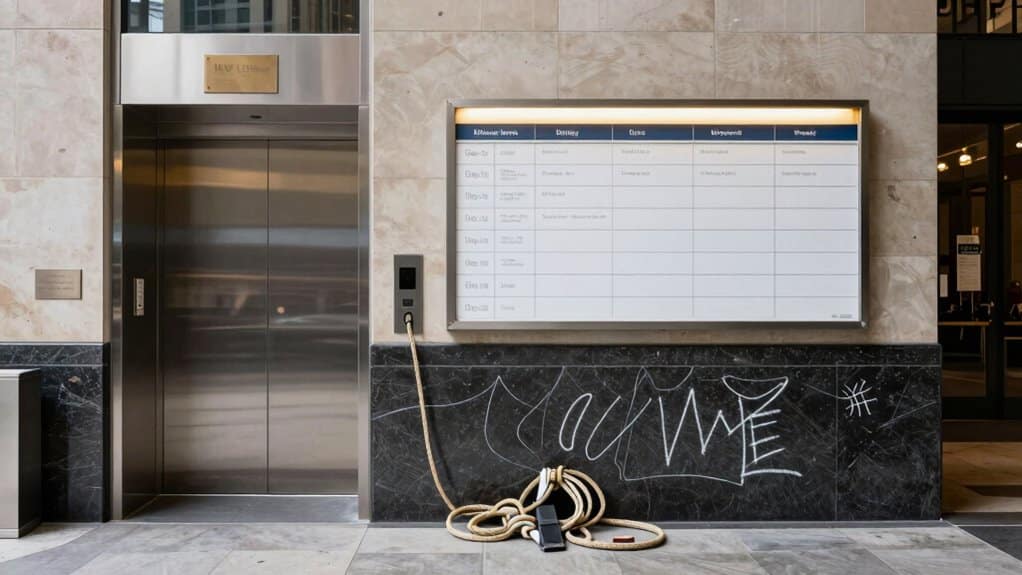
To secure exclusive elevator access for your move, it’s crucial to schedule reservations 2-3 weeks in advance, and potentially up to 30 days for luxury buildings.
Confirm any associated move-in fees, which can vary from $100 to $500, and ensure a Certificate of Insurance (COI) is on file.
- Notify building management at least 48 hours prior to your move.
- Follow specific hours, usually 9 AM–5 PM on weekdays, and check for weekend restrictions.
- Place protective padding inside the elevators as needed.
Proper planning helps avoid delays and ensures a seamless moving experience.
For more tips on moving logistics, see our guide on efficient moving strategies Online planning resources.
Secure Parking Permits & Loading Dock Access
Securing your parking permits ahead of time is crucial to ensure a smooth moving day.
How can you effectively manage loading dock access to avoid any unexpected delays?
Understanding the fees and requirements for both parking and loading docks will help streamline your move.
Parking Permit Timelines
How can you secure parking permits for your NYC move?
To ensure a smooth moving day in NYC, securing parking permits and loading dock access is critical.
Begin by obtaining temporary “No Parking” permits at least 48 hours prior to your move. Fees for move-in can range from $20 to $60, depending on your location and the duration of your stay.
It’s advisable to identify legal parking zones beforehand to ensure your moving truck can access the area without issues.
- Verify temporary “No Parking” permits with building management.
- Confirm move-in fees and submit the COI in writing.
- Coordinate loading dock reservations to avoid any last-minute complications.
By planning ahead and working with local movers, you can streamline the process and ensure compliance with NYC regulations.
For more detailed guidance on moving logistics, see our guide on navigating NYC’s parking rules.
Loading Dock Scheduling
Securing loading dock access and parking permits for a move in NYC requires careful planning. Start by scheduling loading dock access ahead of time to prevent any delays on your moving day.
Most buildings operate on a first-come, first-served basis, so it's crucial to book a time slot early and confirm with the dock manager. Additionally, keep in mind that you may need to reserve elevators and pay move-in fees, which can vary depending on the day and time.
- Obtain temporary "No Parking" permits from the NYC DOT and post them 48 hours in advance.
- Check in with building security upon arrival to ensure compliance with policies.
- Maintain clear communication with your moving team to ensure a smooth operation.
Additionally, consider aligning your move with the city’s moving season to potentially secure better pricing and service availability from moving companies, especially during peak months from April to September. For a comprehensive overview of the moving process, see our guide on NYC moving logistics.
Street Access Compliance
To ensure a seamless moving experience in NYC, begin by obtaining the necessary parking permits and coordinating with building management early on.
Securing temporary No Parking permits and selecting legal parking zones will help avoid fines and delays. Additionally, reserve service elevators 2–3 weeks ahead of your moving date, especially for high-rise buildings.
- Coordinate with the NYC DOT for regulations.
- Keep your Certificate of Insurance (COI) up to date.
- Familiarize yourself with loading dock access times.
By planning ahead and being aware of all requirements, you can minimize traffic disruptions. Cross-country moving logistics For more detailed guidance, see our comprehensive guide on NYC moving regulations.
Move-In Fees and Required Documentation
What're the move-in fees and documentation needed for high-rise buildings?
When moving into a high-rise apartment, anticipate move-in fees that can range from $250 to $2,000, influenced by the luxury level and size of the unit.
Additionally, many buildings require a Certificate of Insurance (COI) from your moving company, which must list the management as additionally insured and submitted at least 48-72 hours in advance.
- Advance elevator reservations may be required, often needing 7-30 days' notice for exclusive access.
- Some properties impose elevator reservation fees, typically between $100 and $500 on busy days.
Being aware of these necessities can prevent delays and additional expenses.
Being aware of these necessities can prevent delays and additional expenses.
According to Covid-era safety considerations, many moving companies now offer contactless services and virtual surveys to minimize in-person interactions. Elevator reservations and COI requirements should be coordinated with your building management to ensure compliance with both Covid protocols and building policies.
For more details on managing your move, see our guide on preparation strategies.
Building Rules by Property Type (Co-op, Condo, Luxury)
Moving into a co-op, condo, or luxury building involves distinct procedures.
Co-op buildings enforce stringent requirements, necessitating board approval for logistics and moving companies, along with a non-refundable move-in fee and a timeline of 2-3 weeks.
Conversely, condominium buildings offer greater flexibility with quicker approvals—typically within 3-5 business days—and allow for easier weekend moves.
Luxury buildings, however, have elaborate protocols; they require advance notice of up to 30 days, higher fees, and strict moving hours from 9 AM to 3 PM.
- Ensure you have a valid Certificate of Insurance (COI) listing building management as additional insured.
- Schedule elevator reservations 2-3 weeks in advance to avoid delays.
- Be prepared for varying move-in fees based on the day and time.
Understanding these requirements is crucial for a smooth moving experience.
For more detailed information on specific buildings, see our guide on navigating co-op and condo regulations. COI and elevator reservations
Build Your Pre-Move Day Checklist and Next Steps
How can you prepare for a smooth move day?
Preparing for move day requires careful planning weeks in advance to avoid delays. Start by securing your Certificate of Insurance (COI) and reserving elevator access, as many high-rise buildings require these 48-72 hours prior to moving.
Additionally, verify any move-in fees with building management, which can range significantly based on the apartment's luxury level and size.
- Reserve elevator time slots 2-3 weeks ahead to ensure access.
- Arrange temporary parking permits for your moving truck to avoid fines.
- Maintain clear communication with your moving company and building management, documenting all agreements via email.
Frequently Asked Questions
How Many Floors Does a Building Need to Have an Elevator in NYC?
FAQ
Q: Do all buildings in NYC need an elevator?
A: No, not all buildings in NYC require an elevator. It depends on height and intended use.
Q: At what height must a building have an elevator in NYC?
A: Generally, buildings over 75 feet tall in NYC must have an elevator for accessibility.
Q: Can a low-rise building in NYC install an elevator?
A: Yes, even multi-story buildings below 75 feet in NYC may choose to install an elevator for accessibility.
Q: What factors influence elevator requirements in NYC buildings?
A: Elevator requirements in NYC are influenced by building height, usage, accessibility needs, and local construction codes.
Q: Are there regulations for elevators in NYC residential buildings?
A: Yes, NYC has specific residential elevator regulations that govern installation, safety, and accessibility.
Q: What do NYC construction codes say about elevators?
A: NYC construction codes detail specifications for vertical transportation systems, including passenger and freight elevators.
They also ensure safety measures are met.
Wrapping It Up
In summary, preparing for your NYC move requires diligent planning, including confirming COI needs, booking elevator time slots, and securing loading dock access. By implementing these strategies, you'll minimize stress and ensure a smoother transition to your new home. Understanding the unique requirements of your building type—whether co-op, condo, or luxury—will further enhance your moving experience. For more insights on how to navigate the complexities of moving in New York City, consider exploring additional tips or reading a related guide to help you take the first step toward a successful move.